
Ant Control in Metro Atlanta & North Georgia
Odorous house ants, Argentine ants, pavement ants and more — trailing through kitchens and baseboards.
About Ants in Georgia
Ants are one of the most common pest calls in Georgia. A few scouts on the counter usually means a much larger colony nearby — often in a wall void, under a slab, beneath mulch or in a landscape bed. Spraying the ants you can see rarely solves it, because the workers you see are only a small part of the colony.
Our approach is to identify the species first, since an odorous house ant colony and a pavement ant colony behave differently, then treat the trails, the entry points and the areas where the colony is nesting so the problem doesn't come right back.
Schedule Service Call (770) 914-6783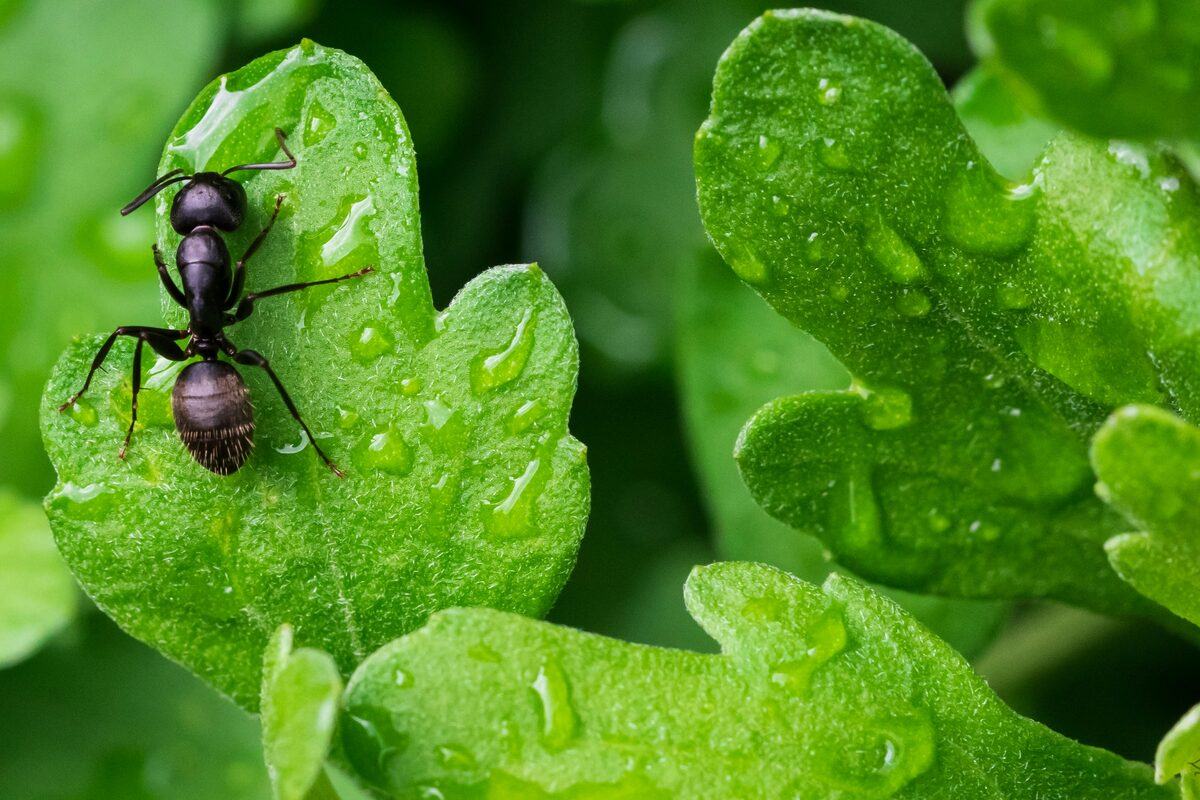
How to Identify Ants
Most household ants in Georgia are small (about 1/16 to 1/4 inch), brown to black, and travel in visible trails along baseboards, countertops, pipes and exterior foundation walls. Odorous house ants give off a rotten-coconut smell when crushed. Argentine ants form very large, interconnected colonies and are drawn to sweets and moisture. Pavement ants nest in soil under slabs and sidewalks and push up small piles of dirt.
Signs You May Have Ants
- Steady trails of ants along baseboards, windowsills, counters or pipes
- Ants gathering around pet food, spills, trash cans or sweet foods
- Small mounds of soil along foundations, driveways or sidewalk cracks
- A sudden flush of winged ants indoors, which can mean a mature colony close by
- Ants coming out of outlets, wall voids or around bathroom and kitchen plumbing
Why Ants Are a Problem in Georgia
Georgia's warm, humid climate lets ant colonies stay active almost all year. Heavy rain pushes ants indoors looking for dry shelter, and dry spells send them looking for water. Mulch, landscaping that touches the house, and tree branches against the roofline all give ants easy routes inside.
How Accurate Pest Solutions Handles Ants
Identify the ant
Different species need different treatment, so we identify what you have before treating.
Trace the trail
We follow trails back to entry points and likely nesting areas inside and outside the home.
Treat the source
Treatment is placed where ants travel and nest, not just where you happen to see them.
Follow up
Because ants re-invade, ongoing service and retreats matter. Household ants are covered by free retreats on our bi-monthly plan.
Prevention Tips
- Wipe up crumbs and sticky spills right away and store food in sealed containers
- Keep pet food out overnight and rinse recyclables
- Trim shrubs and tree limbs so they don't touch the house
- Keep mulch a few inches below siding and away from the foundation
- Fix leaky pipes and drains that give ants a reliable water source
- Seal gaps around pipes, windows and door frames
Related Services
Carpenter Ants
Large black ants that excavate damp or damaged wood — often the sign of a moisture problem.
Learn more →Pest Control Plan
Our most popular plan: a visit every other month plus unlimited free retreats for covered pests.
Learn more →Ants FAQ
Why do I keep seeing ants even after I spray?
Spraying kills the workers you can see but usually not the colony. New workers keep coming until the nest is reached, which is why we treat trails, entry points and nesting areas rather than just the visible ants.
Are ants covered on your pest control plan?
Yes. Household ants are covered on our bi-monthly Pest Control plan, with unlimited free retreats between scheduled visits if they come back.
Are the ants in my house carpenter ants or regular ants?
Carpenter ants are larger (often 1/4 to 1/2 inch) and nest in damp or damaged wood. If you see sawdust-like debris, called frass, or hear rustling in walls, call us — it needs an inspection. See our carpenter ant page for details.
Do fire ants come indoors?
Usually not, but they can. Fire ants nest in outdoor mounds and can sting aggressively if disturbed. See our fire ant page for yard treatment.
Where We Serve
We provide pest, termite, mosquito and wildlife control across 16 counties in Metro Atlanta and North Georgia. Find your city: