
Carpenter Bee Control in Metro Atlanta & North Georgia
Perfectly round holes in decks, eaves and fascia boards — and sawdust piles below.
About Carpenter Bees in Georgia
Carpenter bees look like bumblebees, but they bore into wood to lay eggs instead of building a hive. A single hole may not seem like a big deal, but the same wood gets reused year after year, and woodpeckers can make matters worse by tearing wood apart to reach the larvae.
Treating the galleries and then sealing and protecting the wood is how you stop the cycle.
Schedule Service Call (770) 914-6783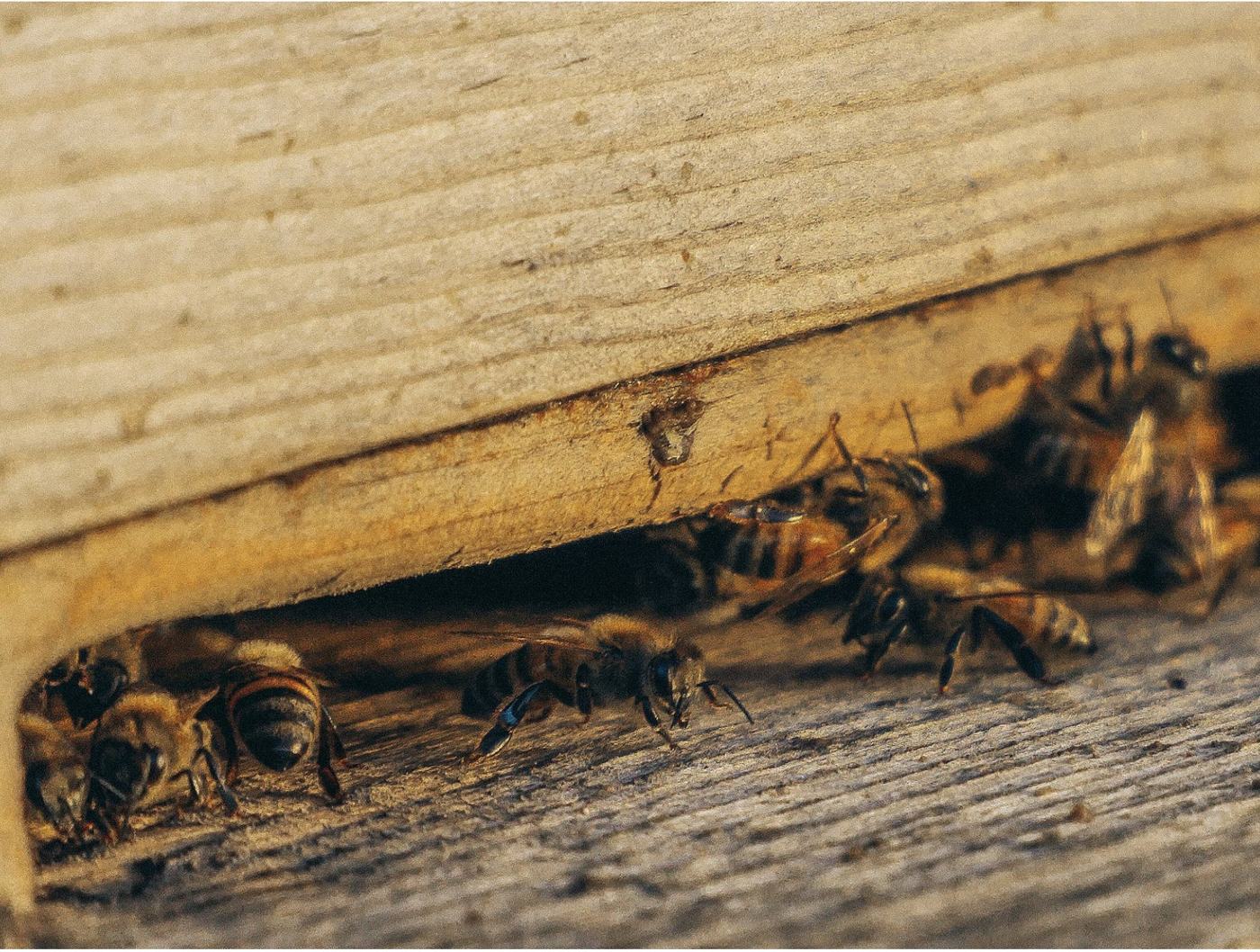
How to Identify Carpenter Bees
Carpenter bees are large (about 1/2 to 1 inch) with a shiny, mostly hairless black abdomen. Bumblebees have a fuzzy, yellow-and-black abdomen. Male carpenter bees hover aggressively near nests but cannot sting; females can sting but rarely do unless handled.
Signs You May Have Carpenter Bees
- Round, clean holes about the size of a dime in decks, railings, eaves or fascia
- Coarse sawdust-like material on the ground or under the hole
- Yellow-brown staining or streaks below the hole
- Large bees hovering around the same wooden areas
- Woodpecker damage on wood that already has carpenter bee holes
Why Carpenter Bees Are a Problem in Georgia
Carpenter bees prefer bare, weathered or unpainted softwood like pine, cedar and cypress, all common in Georgia homes. They are most active in spring, when they excavate new galleries and lay eggs.
How Accurate Pest Solutions Handles Carpenter Bees
Inspect
We locate active holes and check eaves, fascia, decks and railings.
Treat the galleries
Treatment is applied into the galleries to reach adults and larvae.
Seal and protect
Once the bees are gone, we recommend sealing holes and painting or sealing exposed wood.
Monitor
Carpenter bees return to the same wood, so re-checking in the next season helps.
Prevention Tips
- Paint or stain exposed wood, since bare wood is more attractive
- Use hardwood or treated lumber for new construction when possible
- Fill holes after the bees have been treated
- Keep an eye on eaves and fascia each spring
Related Services
Wasps, Hornets & Yellow Jackets
Nest removal and treatment for paper wasps, hornets and yellow jackets around your home.
Learn more →Carpenter Ants
Large black ants that excavate damp or damaged wood — often the sign of a moisture problem.
Learn more →Termite Control
Inspection and treatment to protect your home from subterranean termites.
Learn more →Carpenter Bees FAQ
Do carpenter bees sting?
Males can't sting but often hover aggressively. Females can, but rarely do unless handled.
Can carpenter bees damage my house?
A single hole is minor, but repeated use over years can weaken wood and lead to costly repairs, particularly if woodpeckers become involved.
Should I fill the holes right away?
Wait until the bees have been treated, otherwise you may trap larvae inside, where they can chew new exits.
When are carpenter bees most active?
Spring and early summer.
Where We Serve
We provide pest, termite, mosquito and wildlife control across 16 counties in Metro Atlanta and North Georgia. Find your city: